Mūsų vieta
304 Šiaurės kardinolo g.
Dorčesterio centras, MA 02124

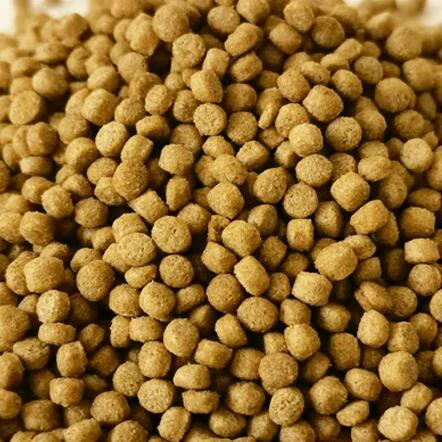
How to Produce Floating and Sinking Fish Feed?
Understanding Floating vs. Sinking Fish Feed
Floating feed: Floats on the water surface, allowing fish to feed from the top. Ideal for species like tilapia and trout.
Sinking feed: Sinks to the bottom, suitable for bottom-feeding fish like catfish and carp.
The choice of feed type affects feeding efficiency, water quality, and fish growth.
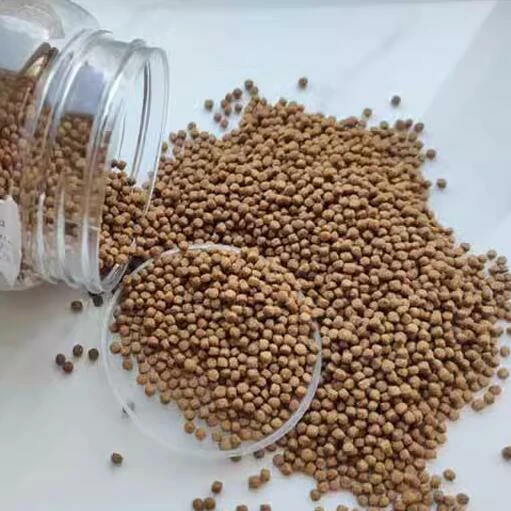
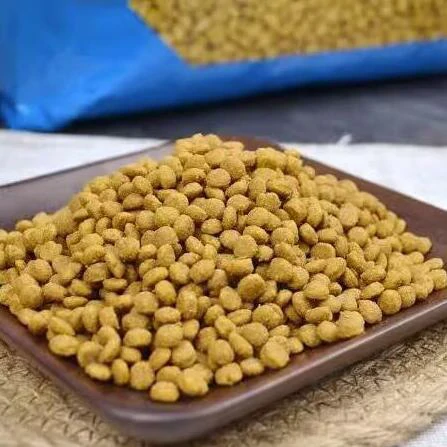
Raw Materials for Fish Feed Production
Common ingredients include:
Fish meal, shrimp meal, or meat and bone meal
Corn, wheat, rice bran
Soybean meal or other plant protein sources
Vitamins, minerals, and amino acids
Fat or oil to improve palatability and floatability
The formulation depends on the nutritional requirements of the fish species.
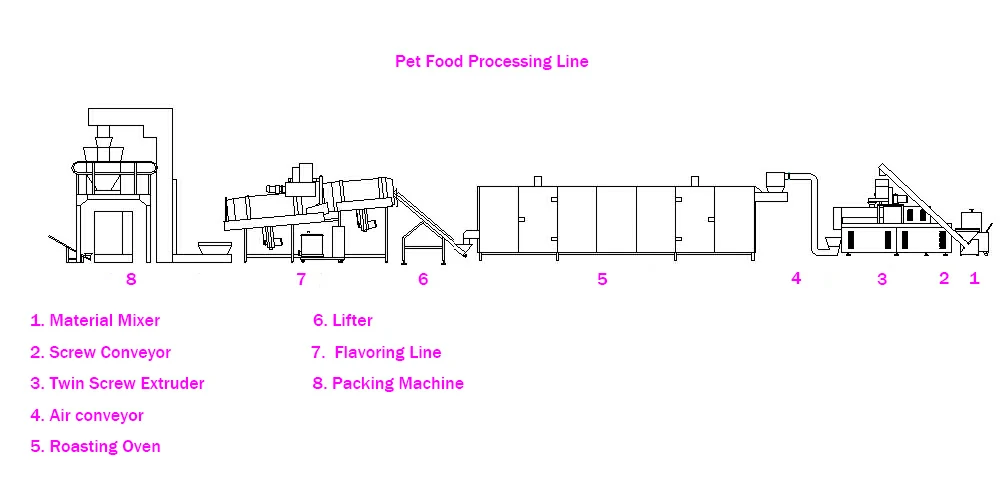
Step-by-Step Process and Machine Capacities:
1.Grinding and Mixing
Hammer mill / Grinder: 500–2,000 kg/h depending on raw material type
Mixer: 500–1,500 kg/h to ensure uniform mixing of powders and additives
2.Conditioning
Conditioner: 500–1,200 kg/h; pre-heats feed with steam and water for better starch gelatinization
3.Extrusion
Fish feed extruder: 300–2,500 kg/h depending on single-screw or twin-screw design
Adjust parameters:
Floating feed → lower density, higher expansion
Sinking feed → higher density, less expansion
4.Shaping and Cutting
Integrated into extruder die system
Pellet length adjustable: 2–8 mm for floating feed, 3–10 mm for sinking feed
5.Drying
Rotary drum dryer or fluidized dryer: 500–2,000 kg/h
Reduces moisture to 10–12% to improve shelf life
6.Cooling and Packaging
Cooling machine: 500–1,500 kg/h
Packing machine: 50–500 kg/h depending on bag size
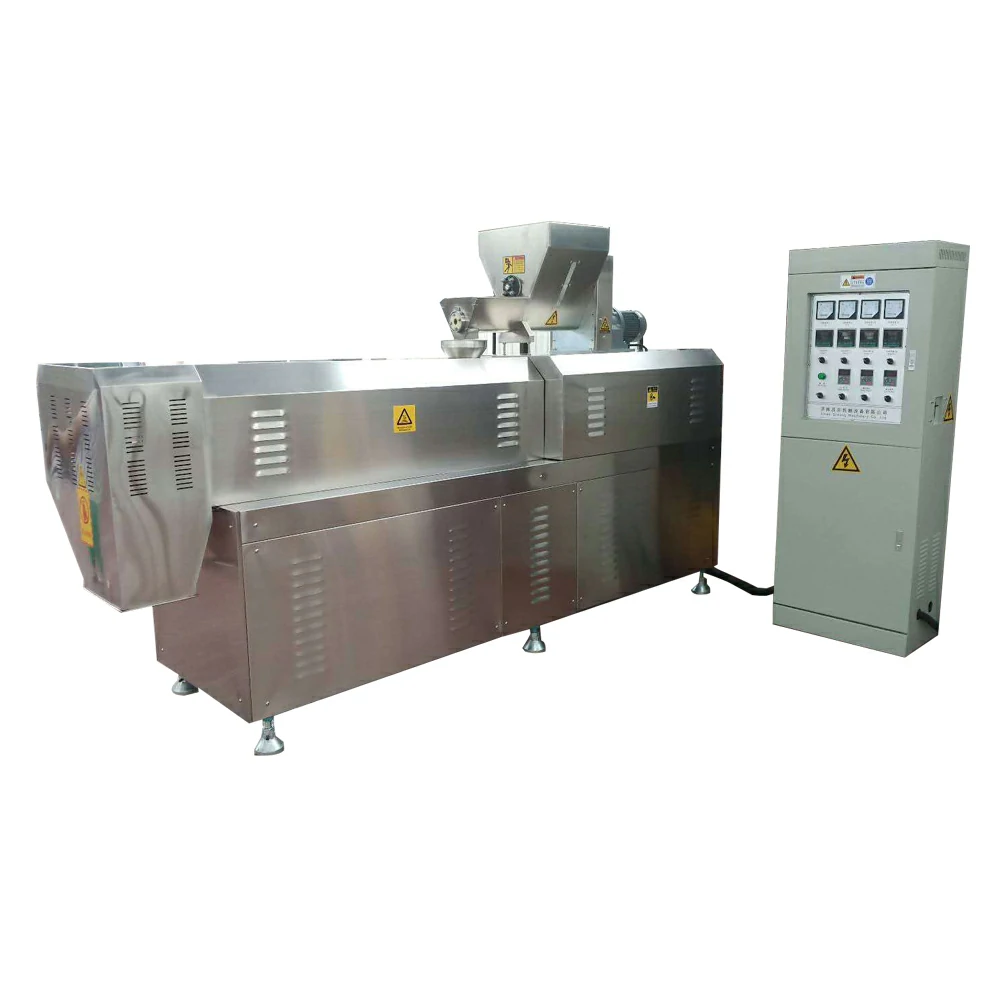

Key Tips for Floating and Sinking Feed
Floating feed: Higher starch content, lower moisture, and greater expansion produce buoyant pellets.
Sinking feed: Higher protein and fat content, lower expansion, and denser ingredients help pellets sink.
Control extruder temperature and screw speed to adjust pellet density and durability.
Proper drying prevents mold growth and ensures a longer shelf life.
Advantages of Extruded Fish Feed
Higher digestibility and nutrient retention
Uniform size and shape for consistent feeding
Reduced water pollution due to lower feed disintegration
Customizable for species-specific needs
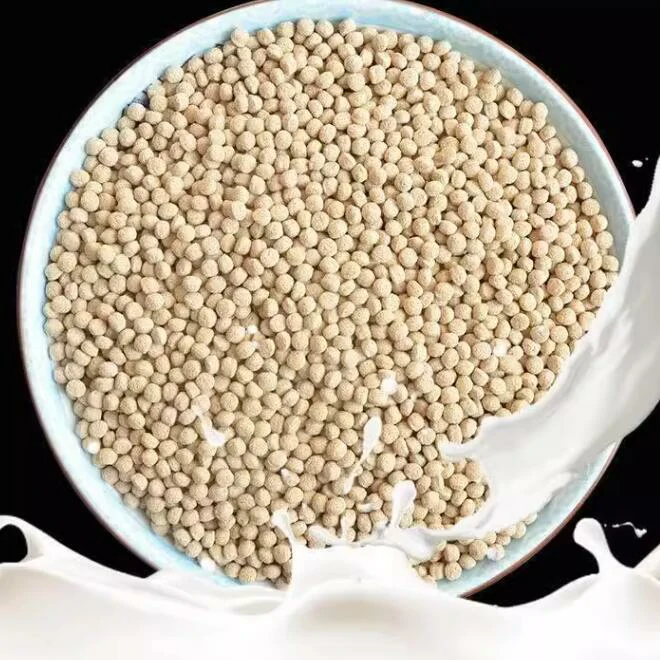
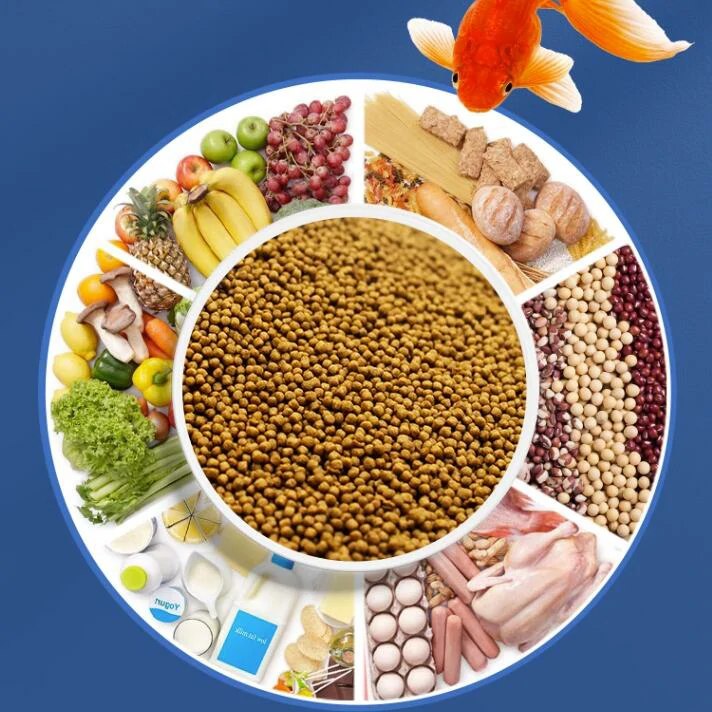
Producing floating and sinking fish feed using an extruder is efficient, cost-effective, and ensures better fish growth. By choosing the right raw materials, adjusting extrusion parameters, and selecting machines with suitable capacities, fish farmers can optimize feed performance for any aquaculture operation. High-quality extruded feed leads to healthier fish, improved feeding efficiency, and a more profitable farming business.
Jei jus domina fish feed machine line, susisiekė su mumis.
Mūsų el. pašto adresas: [email protected]
„WhatsApp“ numeris: 0086-13361030906
Laukiame jūsų žinutės šioje formoje.
 English English
 French
 Arabic
 Spanish
 Hindi
 Italian
 Armenian
 Romanian
 Russian
 German
 Swahili
 Malay
 Dutch
 Persian
 Turkish
 Korean
 Serbian
 Indonesian
 Georgian
 Polish
 Czech
 Swedish
 Belarusian
 Bulgarian
 Portuguese
 Azerbaijani
 Bengali
 Bosnian
 Danish
 Greek
 Estonian
 Finnish
 Scottish Gaelic
 Croatian
 Hungarian
 Latvian
 Lithuanian
 Uzbek
 Ukrainian
 Slovak
 Slovenian
 Macedonian
 Mongolian
 Tamil
 Thai
